

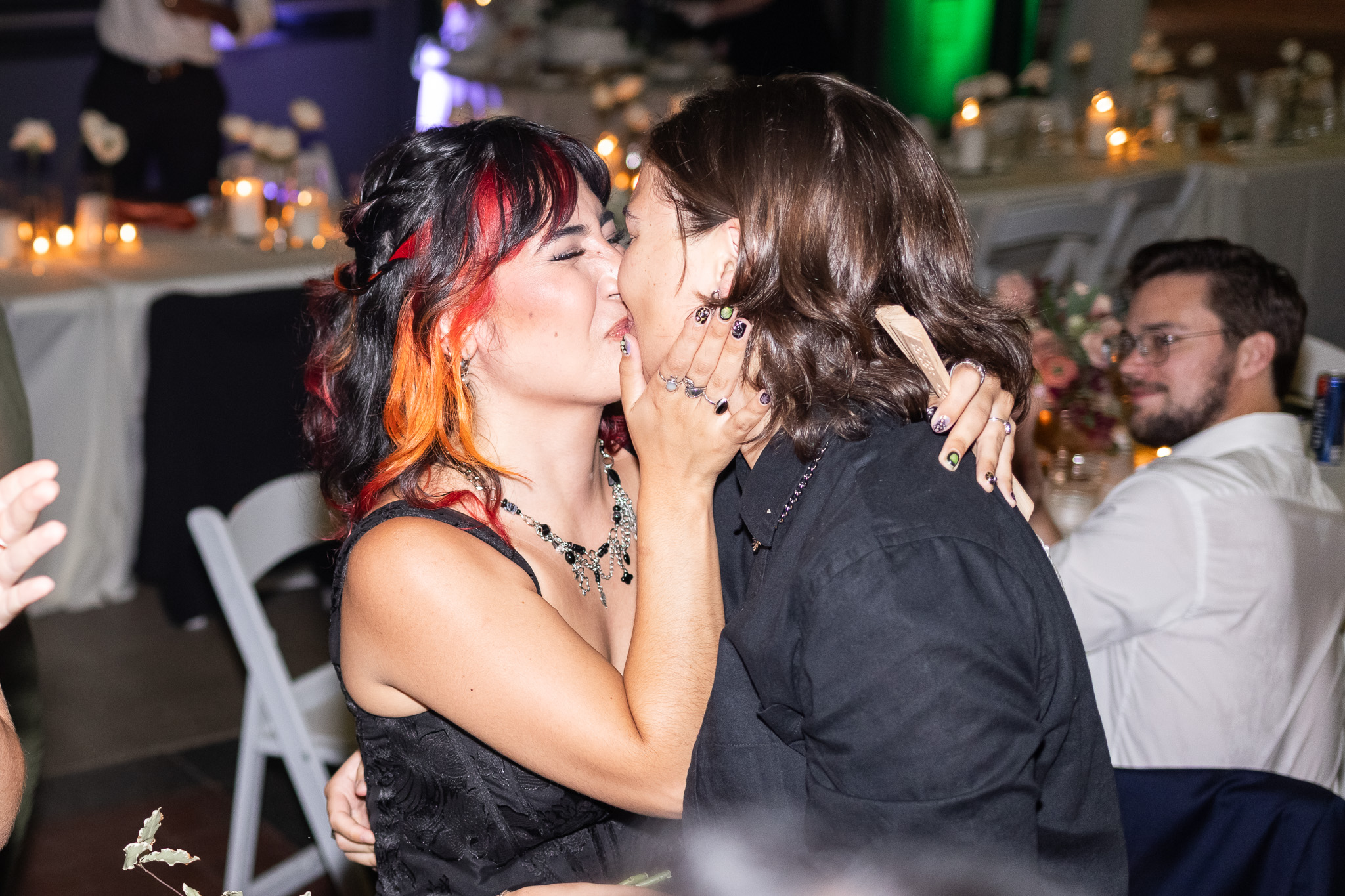

Happy Pride Month everyone! It’s June and that means that if you walk down the street or scroll instagram, there will be extra rainbow flags and businesses posting about Pride Month. Social media fills with statements about inclusion. Vendors update their websites to say they welcome everyone.
And while some of those businesses genuinely support the LGBTQIA+ community year-round, others simply participate in Pride because it’s good marketing. The truth is, finding LGBTQ friendly wedding vendors isn’t just about spotting a rainbow flag on a website. It’s about finding people who make you feel seen, respected, and supported throughout one of the most exciting seasons of your life.
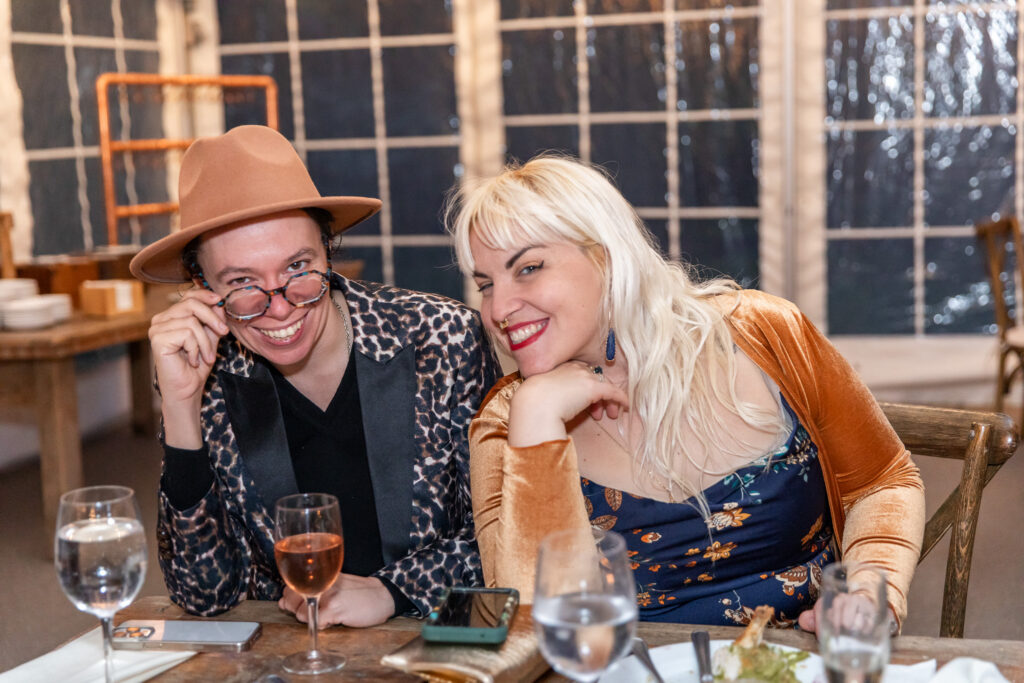
As a queer photographer, I know how meaningful it is to walk into a space and immediately feel welcomed. While I can’t tell you which vendors are right for your wedding, I can share the questions I would ask when searching for a team that genuinely supports your relationship, values and vision.
Why Asking Questions Matters When Hiring LGBT Friendly Wedding Vendors
A few years ago, I worked alongside a wedding planner who was organized, professional, supportive of the couple, and genuinely great to work with. After the wedding, we met for coffee to talk about referring business to one another. Everything was going wonderfully until she pulled up my Instagram account. Her expression changed immediately. After an uncomfortable pause, she told me she didn’t work LGBTQ+ weddings because of her religious beliefs. I was completely caught off guard. Up until that moment, I had every reason to believe we shared the same values when it came to supporting couples. We parted ways respectfully, but the experience taught me an important lesson: you can’t always tell whether someone is truly an LGBTQ friendly vendor based on a website, a great first impression, or even a positive working relationship.
As a queer wedding photographer, I’ve found that the best way to evaluate potential vendors isn’t by asking if they’re LGBTQ-friendly. Most people know the “right” answer to that question. Instead, ask questions that reveal how they work, how they think, and how they support their couples.

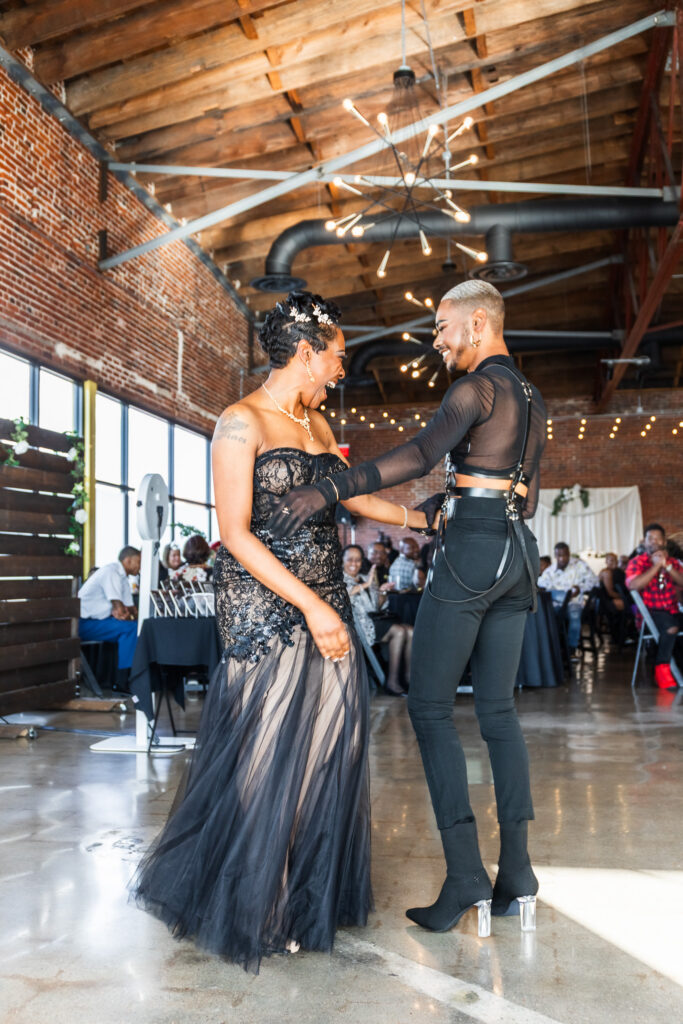
Seeking a Venue to Make Space For Your Story
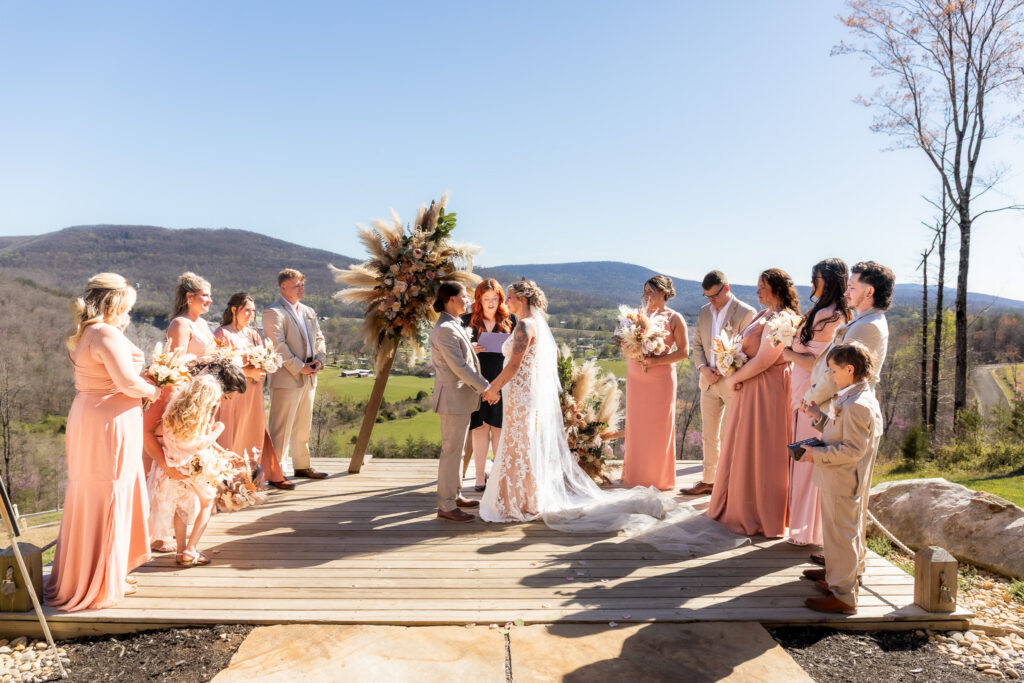
How do you support couples who want to create a wedding day that doesn’t follow traditional wedding roles or expectations?
- Not every wedding has a bride side and a groom side. Not every couple wants a father-daughter dance. Not every wedding party fits neatly into traditional categories. A welcoming venue should be comfortable with all of it.
Have you hosted weddings with LGBTQ+ couples or non-traditional family structures, and what have you learned from those experiences?
- You’re not looking for a specific number of weddings. You’re listening for thoughtful answers, genuine experience, and whether inclusion feels natural rather than rehearsed.
Can Your Planner Navigate the Hard Stuff?
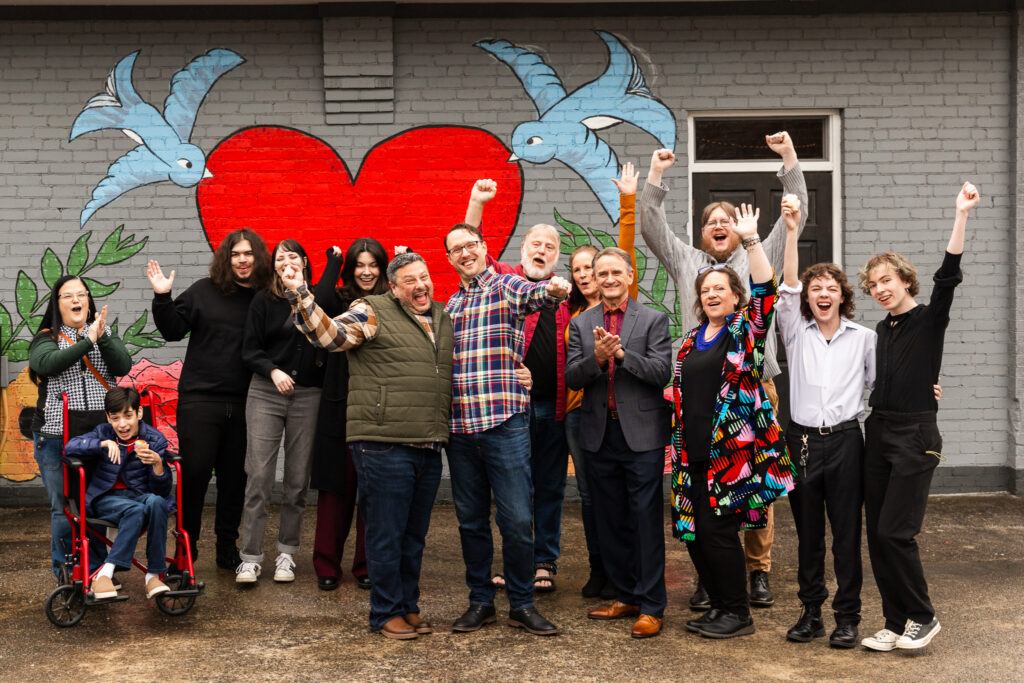
How do you help couples build a wedding day that feels authentic to them rather than following a traditional wedding template?
- The best planners don’t start with assumptions. They start by learning about your relationship, priorities, and vision.
How do you navigate situations involving chosen family, estranged relatives, or complicated family dynamics?
- Many couples have family relationships that don’t fit traditional wedding expectations. A great planner should be able to discuss those realities comfortably and without judgment.
How do you support couples if guests or vendors create an uncomfortable situation?
- Hopefully this never becomes necessary. But weddings bring together people from different generations, backgrounds, and belief systems.
- A planner’s answer can tell you a lot about how seriously they take creating a welcoming environment and whether they’re prepared to advocate for their couples when needed.
Does Your Photographer See Your Relationship, Or A Template?
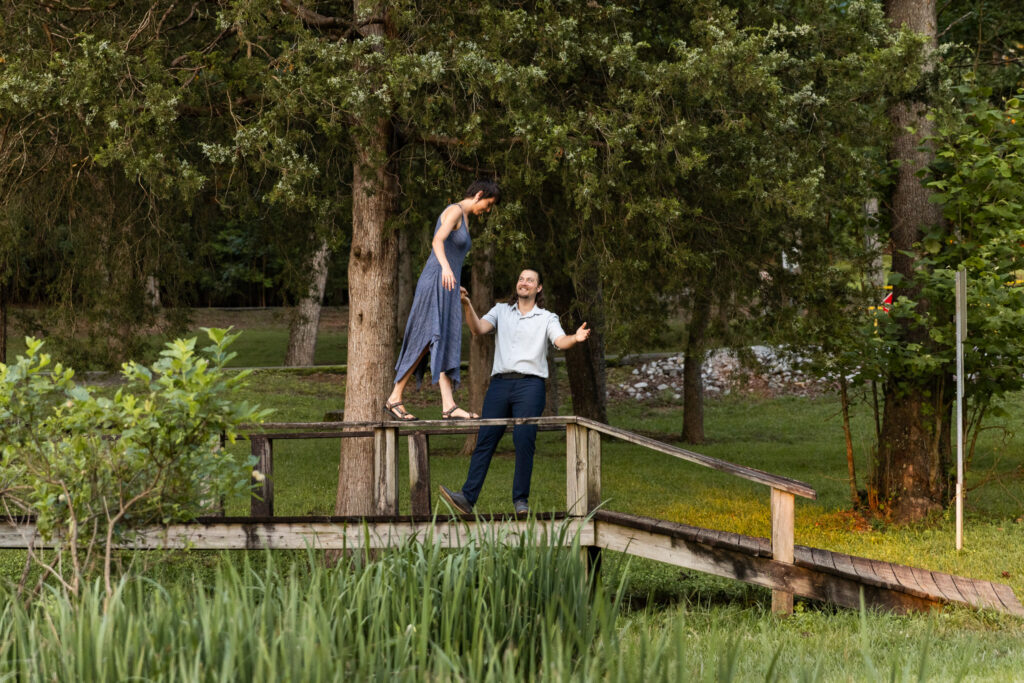
How do you approach posing and directing couples without relying on traditional gender roles?
- Listen for answers that focus on connection, personality, and comfort. A photographer should be photographing your relationship, not trying to fit one partner into “the bride role” and the other into “the groom role.”
How do you learn what relationships and people are most important to us before the wedding?
- Whether that’s a grandparent, a chosen parent, a sibling, or your lifelong best friend, your photographer should care about the people who matter most to you.
- The answers often reveal whether they’re interested in telling your story or simply documenting a wedding day timeline.
Finding a Hair & Makeup Artist to Help You Feel Like Yourself
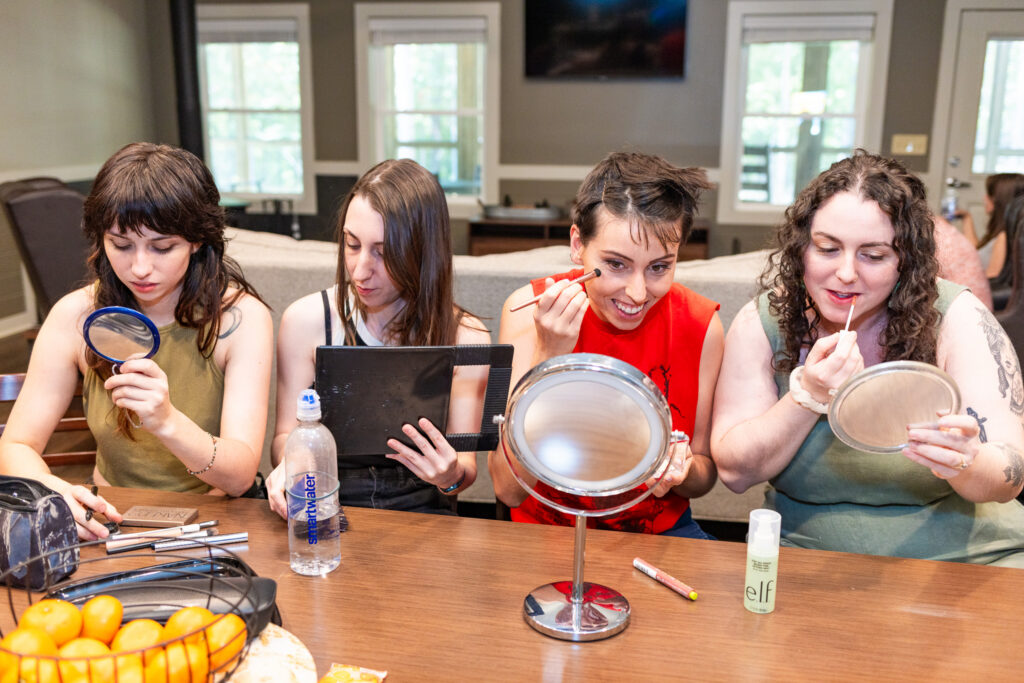
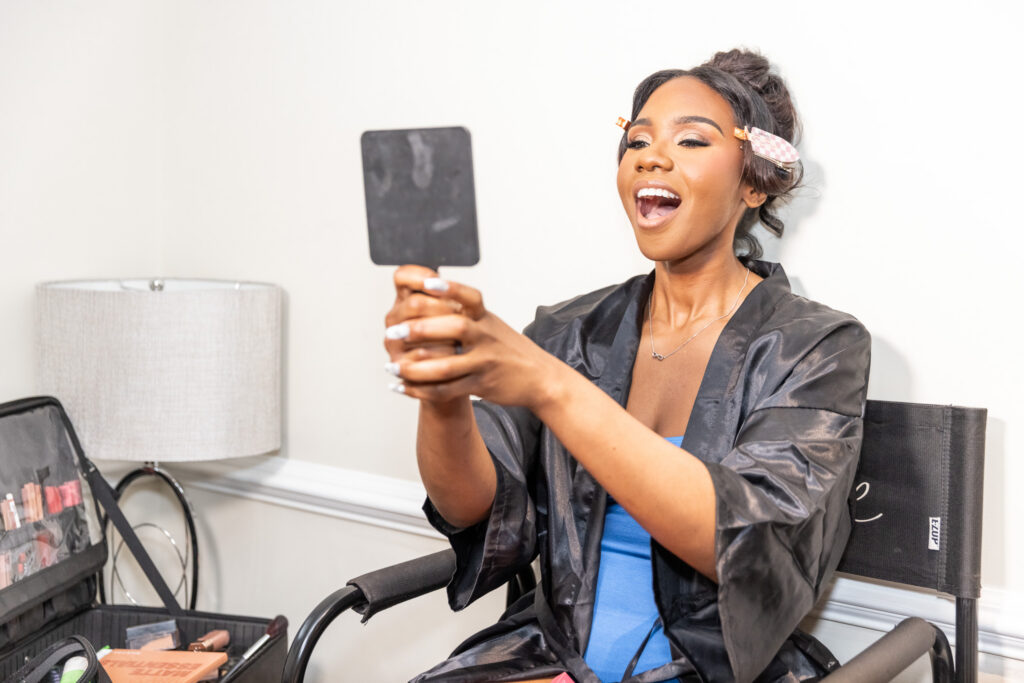
How do you approach working with clients who don’t fit traditional bridal beauty expectations?
- This question can tell you a lot. Some people want full glam. Some want a natural look. Some want traditionally masculine styling. Others want something entirely their own.
- A great hair and makeup artist should be focused on helping you look and feel like yourself—not forcing you into a particular aesthetic because it’s what they’re used to seeing on wedding days.
How do you make sure your clients feel comfortable and affirmed during the getting-ready process?
- Hair and makeup is one of the most personal vendor experiences you’ll have. You’re sitting in someone’s chair for hours while they touch your hair, skin, and body.
- Listen for answers about communication, collaboration, and creating a welcoming environment. This is especially important for transgender, nonbinary, and gender-nonconforming clients, but honestly applies to everyone.
How do you handle wedding parties with a variety of genders, identities, and comfort levels?
- Not every wedding party wants the same hairstyle, makeup look, or level of service. A supportive HMUA should be comfortable working with people of different genders, presentations, and preferences without making assumptions about how anyone “should” look.
Who Says Bouquets Are Just For Brides?
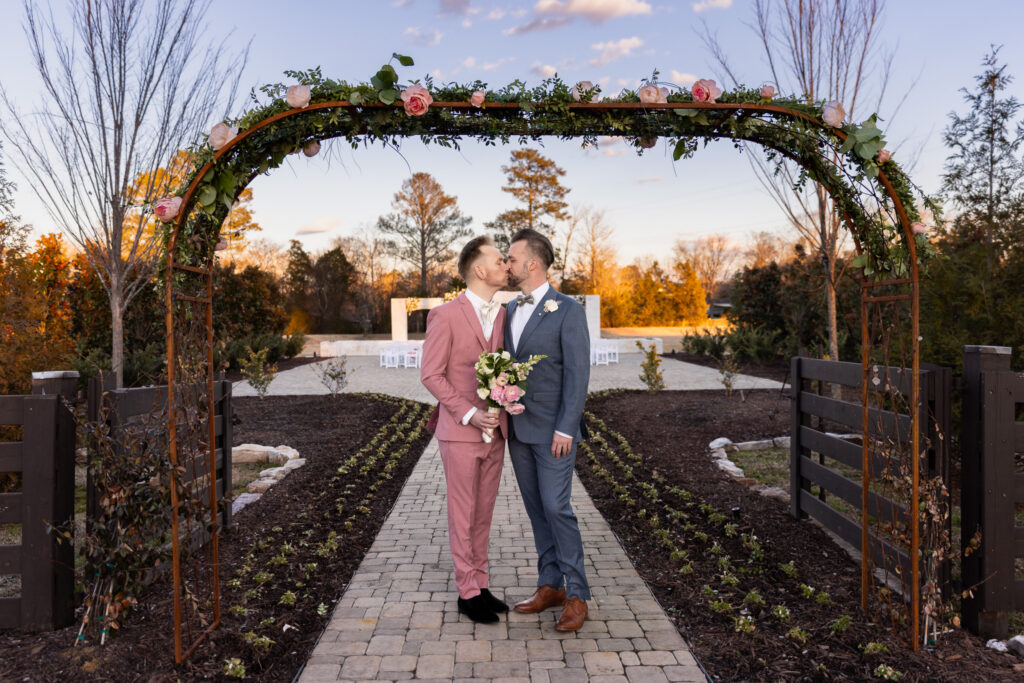
How do you design florals for couples who don’t want traditional bridal and groom arrangements?
- A creative florist should be excited to discuss multiple bouquets, pocket florals, flower crowns, wearable florals, mixed wedding parties, or completely custom ideas.
Will Your Officiant Personalize The Ceremony?
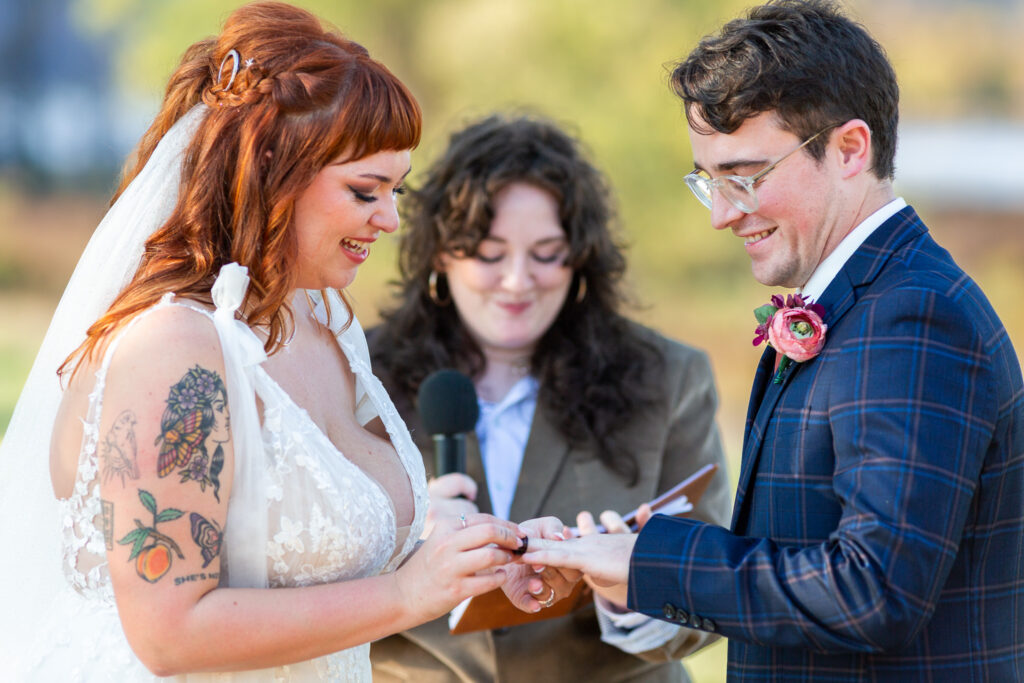
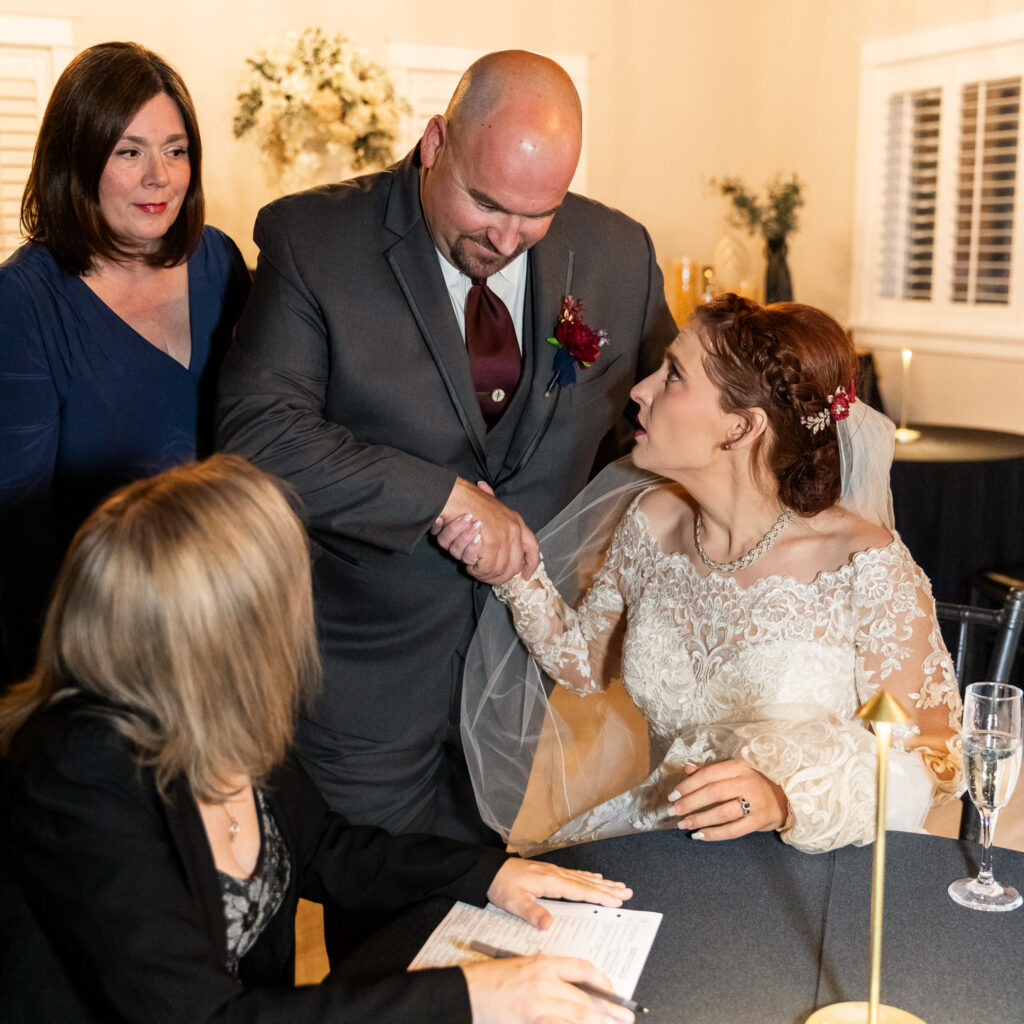

When searching for LGBTQ friendly wedding vendors, your officiant may be one of the most important decisions you’ll make. Having vendors who support and celebrate your relationship throughout the planning process is invaluable, but your officiant is the person guiding the ceremony itself and ultimately making it official.
How do you make sure you’re using the correct names, pronouns, and terminology throughout the ceremony?
- Your officiant is the voice guiding one of the most important moments of your wedding day.
- Whether you’re hiring a professional officiant or asking a loved one to lead your ceremony, they should be excited to help craft a ceremony that sounds like you. From the stories they tell to the language they use, a great officiant understands that small details can have a big impact on how seen and celebrated you feel at the arbor
How do you handle ceremonies that don’t follow traditional wedding language?
- Many ceremony scripts still default to phrases like “bride and groom,” “husband and wife,” or “Mr. and Mrs.” These traditions are familiar, but they aren’t universal. Some couples prefer gender-neutral language, some keep their own last names, and others simply want wording that feels more personal to their relationship.
- A supportive officiant should be comfortable adapting their language to fit your relationship. Instead of “You may now kiss the bride,” they might say, “You may now share your first kiss as a married couple” or “Seal this union with a kiss.” Which I prefer for any couple because it addresses them as equals. Likewise, “I now pronounce you husband and wife” can become “I now pronounce you married” or “I now present these partners for life.”
The Importance of a DJ Who Makes Everyone Feel Welcome
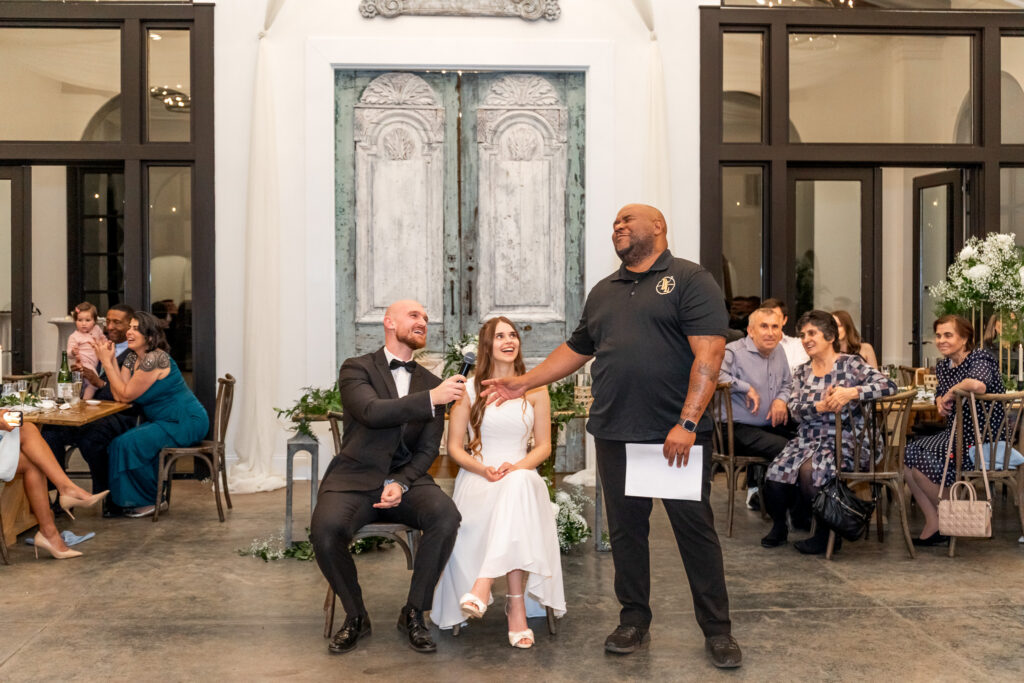

How do you make sure you’re using the correct names, pronouns, and terminology throughout the wedding day?
- Your DJ controls the microphone and often becomes the public voice of your celebration.
- A great DJ should talk about gathering that information beforehand, confirming pronunciations, and making sure every introduction and announcement reflects how you want to be addressed.
How do you handle weddings that don’t include traditional introductions, dances, or gendered announcements?
- If a DJ seems confused by the idea of replacing “ladies and gentlemen” or “bride and groom,” that’s valuable information.
- The right DJ will be excited to create introductions and announcements that feel natural and authentic to your celebration.
How do you create an inclusive atmosphere for all of our guests?
- Great DJs do more than play music. They help set the tone for the entire reception.
- You’re looking for someone who understands that creating a welcoming atmosphere means making everyone feel comfortable, respected, and included.
Building A Team of LGBTQ Friendly Wedding Vendors That Get It
Of course, these aren’t the only vendors you’ll hire. Caterers, bakers, officiants, videographers, transportation companies, rental providers, and countless others all contribute to your wedding day experience. And while most couples won’t find themselves at the center of a discrimination lawsuit that makes national headlines, those stories are a reminder that support and inclusion shouldn’t be assumed.
The good news is that finding LGBTQ wedding vendors who genuinely support couples is often less about searching for rainbow logos and more about having honest conversations. Asking thoughtful questions early in the planning process can help you identify vendors who are excited to celebrate your relationship, not just willing to work with it.
That said, venues, planners, photographers, hair and makeup artists and DJs tend to have the greatest influence on how your wedding day feels. These are the people you’ll spend the most time with, rely on most heavily, and trust to help create an environment where you and your guests feel welcomed, comfortable, and celebrated from beginning to end.


Pay Attention To How They Answer
The most important thing isn’t the answer itself.
It’s how they answer.
Do they seem comfortable having the conversation? Do they ask thoughtful follow-up questions? Do they make assumptions about your relationship? Do they seem excited about helping you create a wedding that reflects who you are?
The best LGBT friendly wedding vendors won’t make you feel like an exception to the rule. They won’t make you feel accommodated. They’ll make you feel celebrated.
Because at the end of the day, every couple deserves a wedding team that sees them, supports them, and is genuinely excited to help bring their vision to life.
Additional Resources for Finding LGBTQ-Friendly Wedding Vendors
While asking thoughtful questions is one of the best ways to find vendors who genuinely support your relationship, LGBTQ-focused directories can be a great place to start your search. These platforms typically require vendors to actively identify themselves as LGBTQ-owned, allied, or inclusive businesses. They also typically require a pricy listing fee, which is why you won’t find me on most of them…
- Rainbow Wedding Network
- Equally Wed
- Everywhere Is Queer Directory
- Queerly Beloved
- The Pink Pages
- EnGAYged Weddings
One Last Thought About Officiants…
No matter how you identify, I often encourage couples to consider having a loved one officiate their wedding. There’s something incredibly meaningful about standing at the arbor with someone who knows your story, understands your relationship, and can speak about it with genuine warmth and authenticity. More often than not, it creates a ceremony that feels far more personal than a ceremony led by a hired officiant.
Getting ordained is surprisingly easy. In fact, I am! If you’d like a loved one to officiate your wedding but need someone to handle the legal paperwork, I’d be happy to help. I recommend getting ordained through American Marriage Ministries, a Seattle-based nonprofit that advocates for marriage equality and religious freedom.
Some states require officiants to complete additional registration or filing requirements, while others do not. Be sure to review your state’s laws so whomever you choose can follow the proper steps and ensure your marriage is legally recognized.
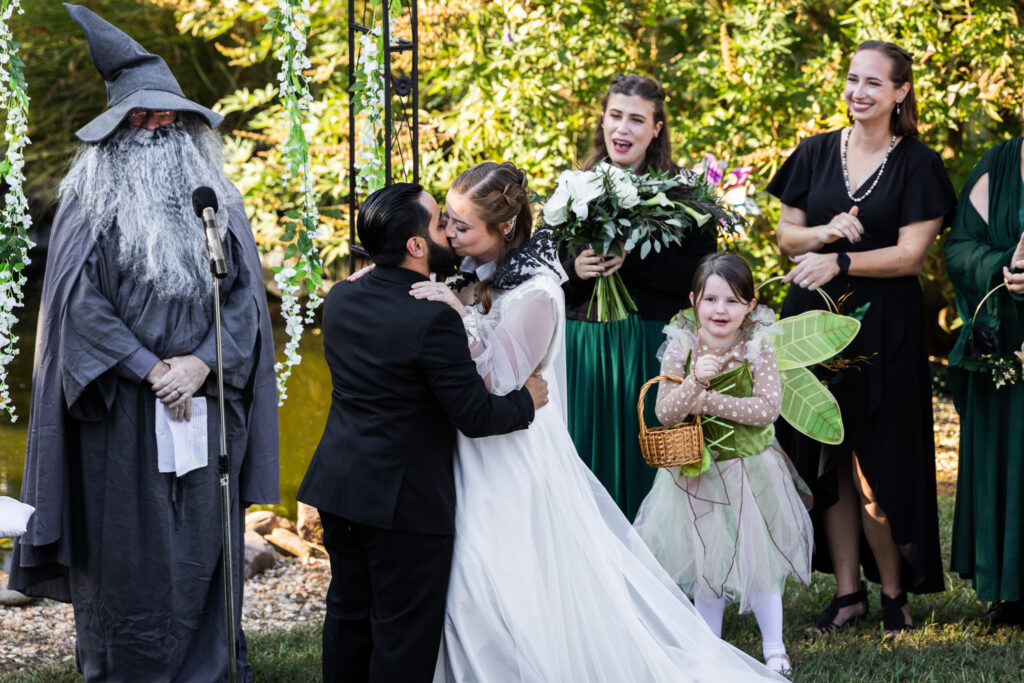
And of course, if you’re looking for a queer photographer to celebrate your love, I would be SO THRILLED to capture this special season for you! My primary markets include Pennsylvania, Tennessee and New Orleans, LA but I love to travel and will go gayly forward where ever your love story takes you.


