

What Time Do Weddings Usually Start? A Guide to Choosing Your Perfect Ceremony Time
Filed in Resources — November 22, 2025

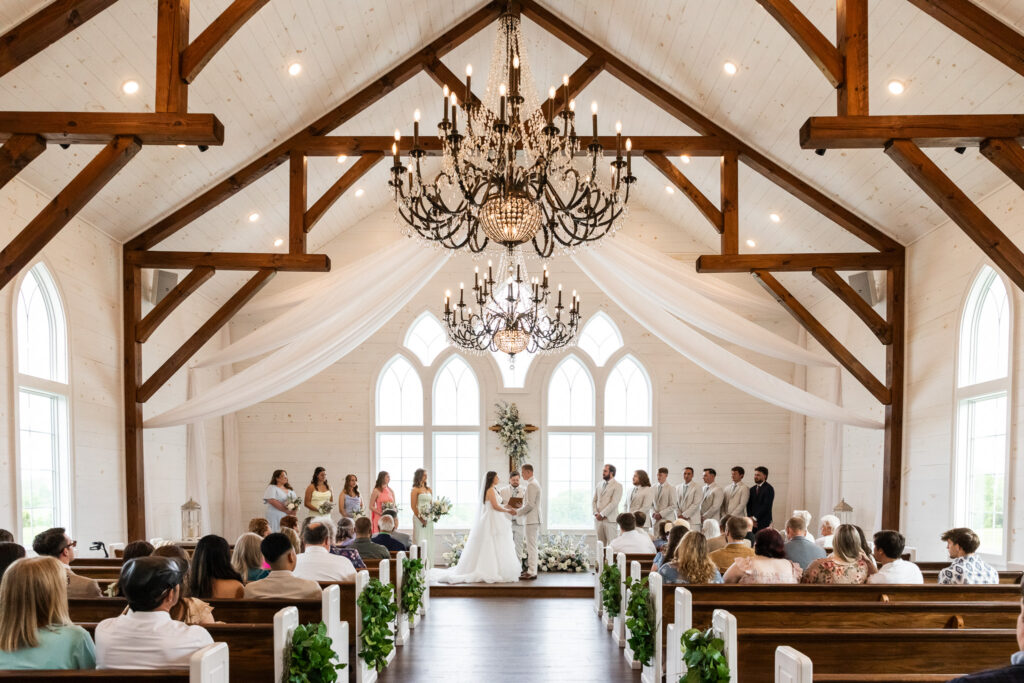
If you’re early in the planning process, you may have asked yourself, what time do weddings usually start? Setting your ceremony time is one of the biggest decisions you’ll make. It might seem like a small detail, but it shapes the flow of your entire wedding day—your photos, your lighting, your reception timing, even how relaxed or rushed you feel.
Take a deep breath. I photograph weddings all year long across Pennsylvania and Tennessee, in every season and every timeline possible, and I’ve got you covered. In this guide, we’ll break down what time weddings usually start, what actually matters when choosing your ceremony time, and how to pick the perfect moment for your “I do’s.”
Why Ceremony Timing Matters More Than You Think
Your ceremony start time sets the pace for everything else—getting ready, your first look (or not), portraits, dinner, and how your reception unfolds. When couples ask me about the best time for a wedding ceremony, they’re often surprised by how much strategy goes into making the day feel smooth, beautifully lit, and stress-free.
A thoughtful ceremony time means:
- You get the best lighting for photos
- Your portraits don’t feel rushed
- You enjoy the day instead of racing through it
- Everything flows naturally from one moment to the next
In other words: set the right ceremony time, and the rest falls into place.
Start With the Sun: The Real Secret to Perfect Timing
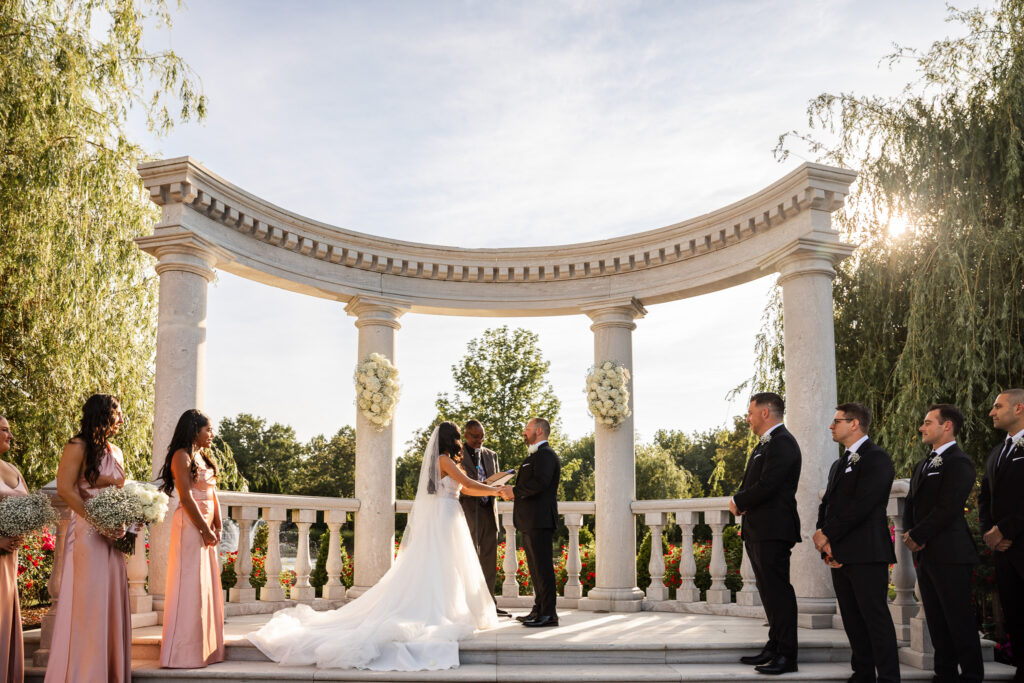
The sun—not tradition—is the real answer to what time weddings usually start. Your exact sunset time dictates your best light, portrait timing, and how your ceremony will look and feel.
Look up the sunset for your date and location (make sure you update your location!), and use that as your anchor. Whether you want soft afternoon light, golden-hour glow, or a later, candlelit vibe, your ceremony time should work with—not against—the sun.
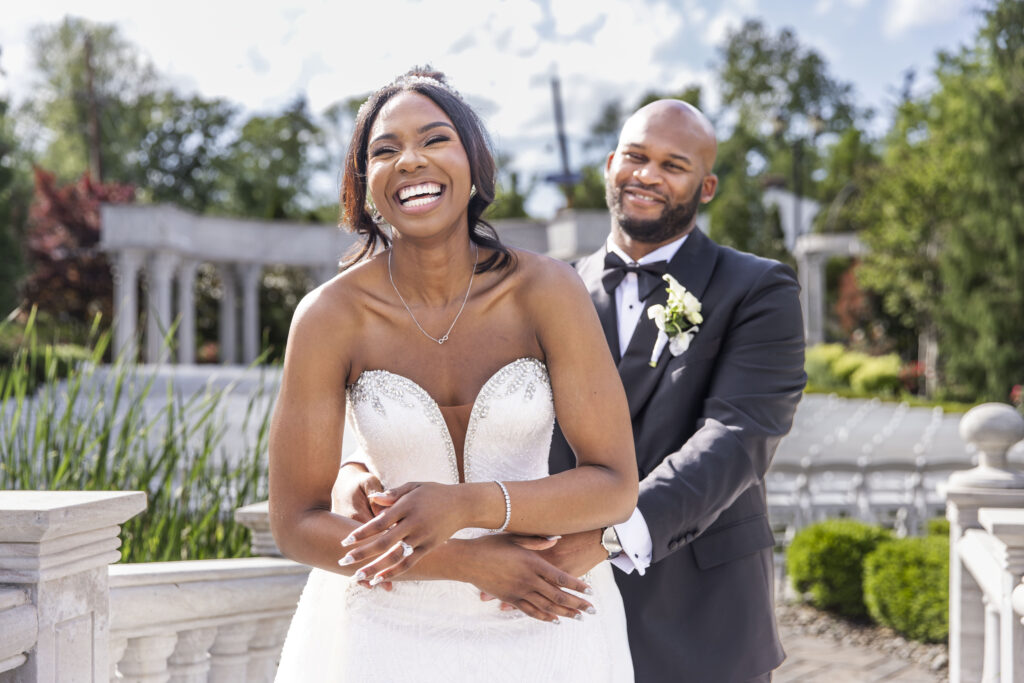
Decide Whether to Do a First Look
This one decision changes everything.
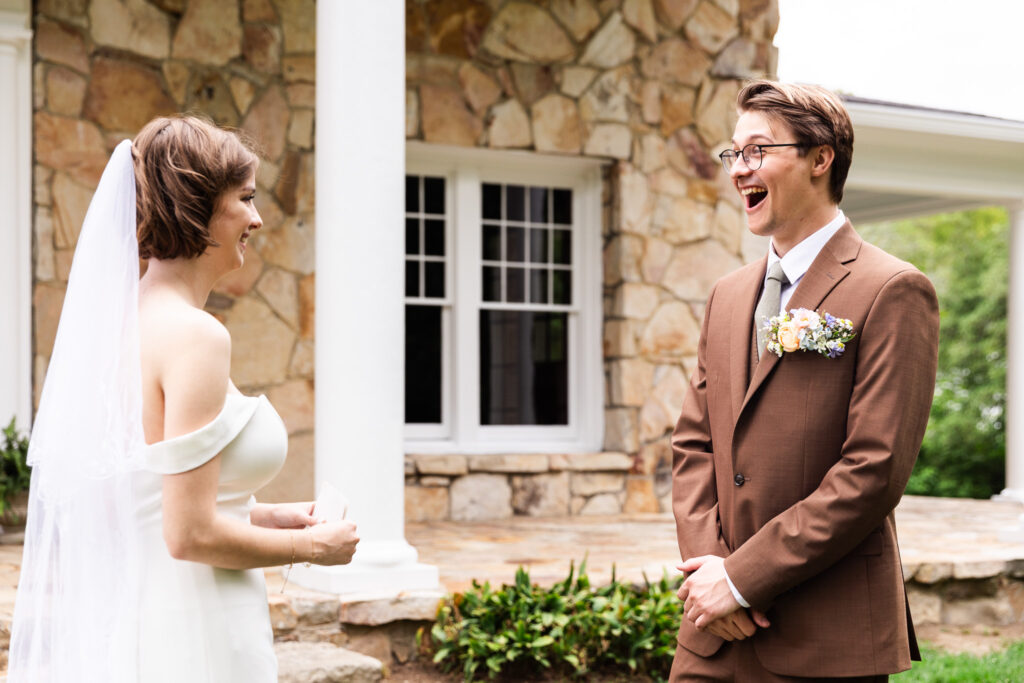
If You’re Doing a First Look:
You’ll have portraits finished before the ceremony, which means your ceremony can fall closer to sunset. A great rule of thumb:
End your ceremony 30–60 minutes before sunset.
This gives you relaxed, romantic, glowing photos afterward without feeling rushed.
If You’re Not Doing a First Look:
You’ll need daylight after the ceremony for family photos, couple portraits, and wedding party images.
In that case:
Plan for your ceremony to end about 60-90 before sunset.
This is one of the most important factors when couples ask me about the best wedding time or the best time for a wedding ceremony in October, when the sun sets much earlier.
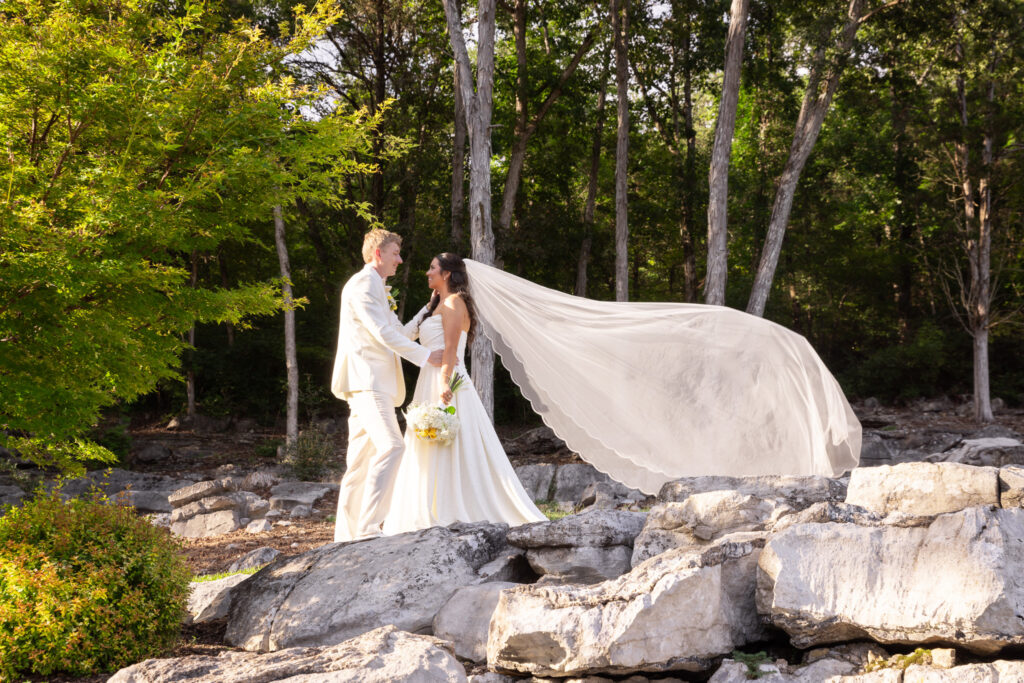
Work Backwards From the Reception
If you aren’t sure where to start, think in reverse.
- When does your venue close?
- How long do you want on the dance floor?
- When do you want dinner to start?
- Are you doing a first dance right after entrances or waiting until after dinner?
Once you know the “end,” you can count backwards to land on the ceremony time that makes the whole day feel balanced and stress-free.
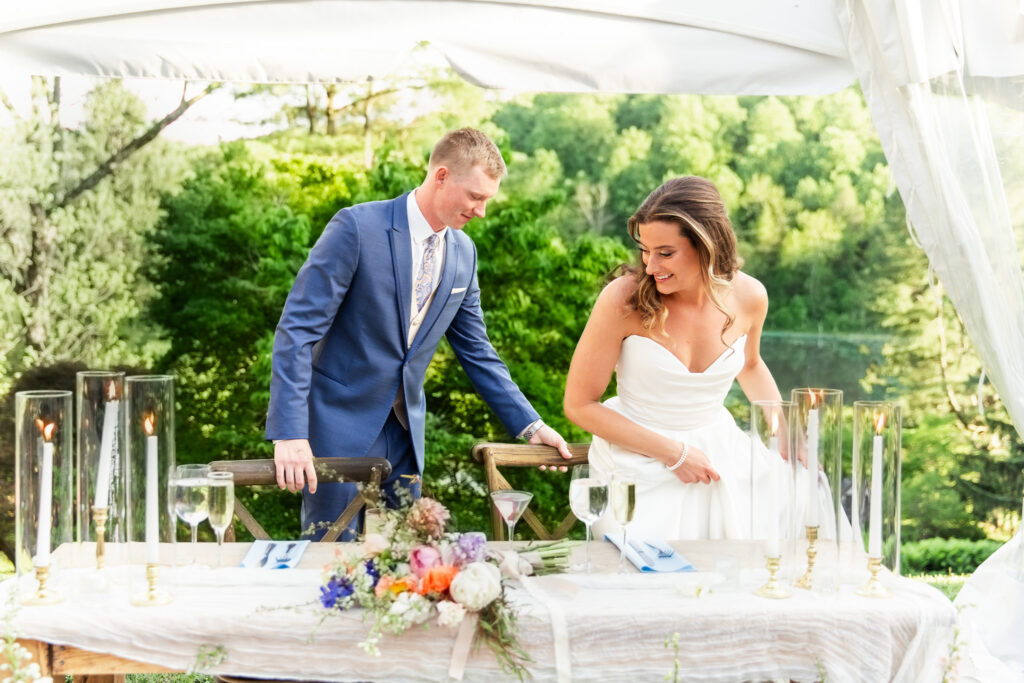
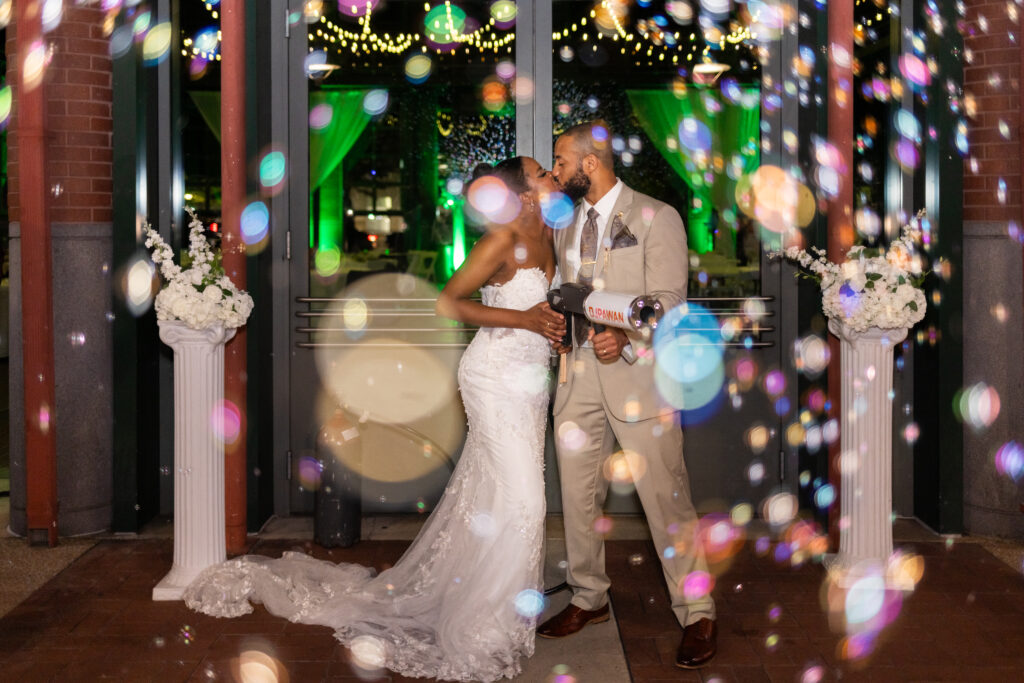
Consider the Season
Light changes dramatically from April to October, and your ceremony time should change with it. Here’s a quick guide based on what I recommend to my couples:
Spring (4–5 pm)
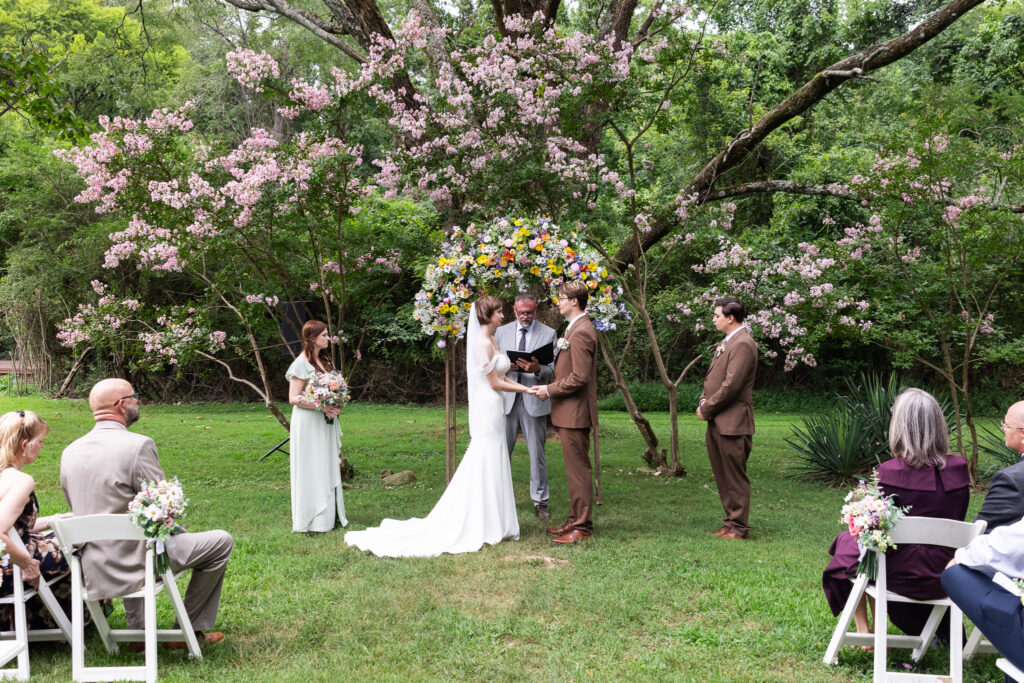
Longer days, softer light, and flexible timing without the heat of summer.
Summer (5–6 pm)
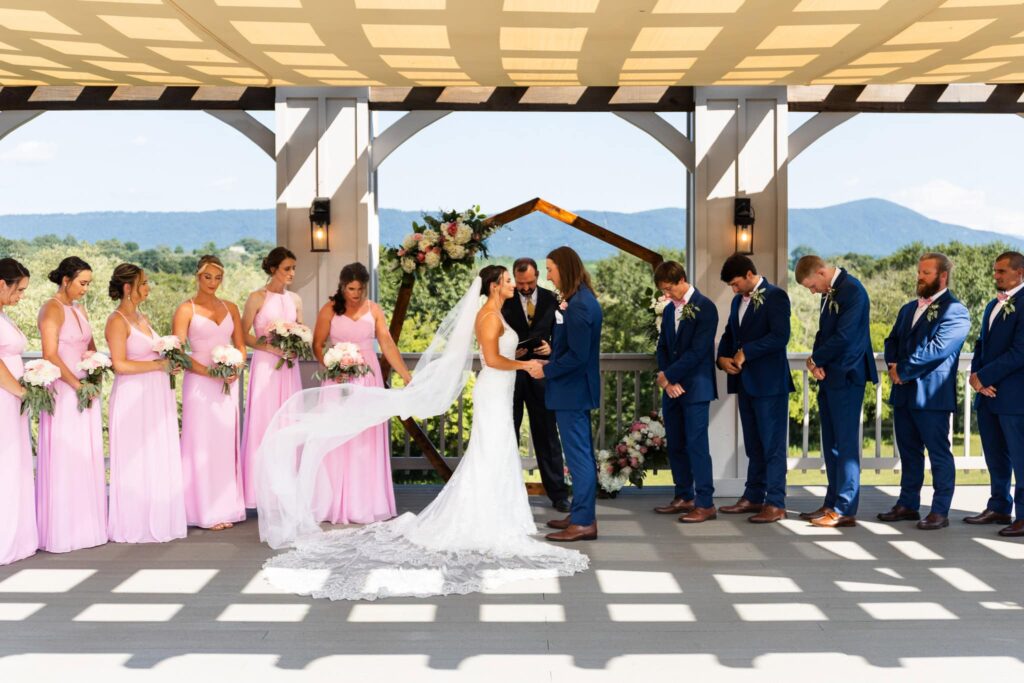
Later ceremonies avoid harsh sun and give you warmer, dreamy evening light. Often, this will be much more than 60-90 minutes before sunset, and that’s one of the consequences of a summer wedding. Especially in Chattanooga, on the time zone boarder, the days are looooong.
Autumn (3–4 pm)
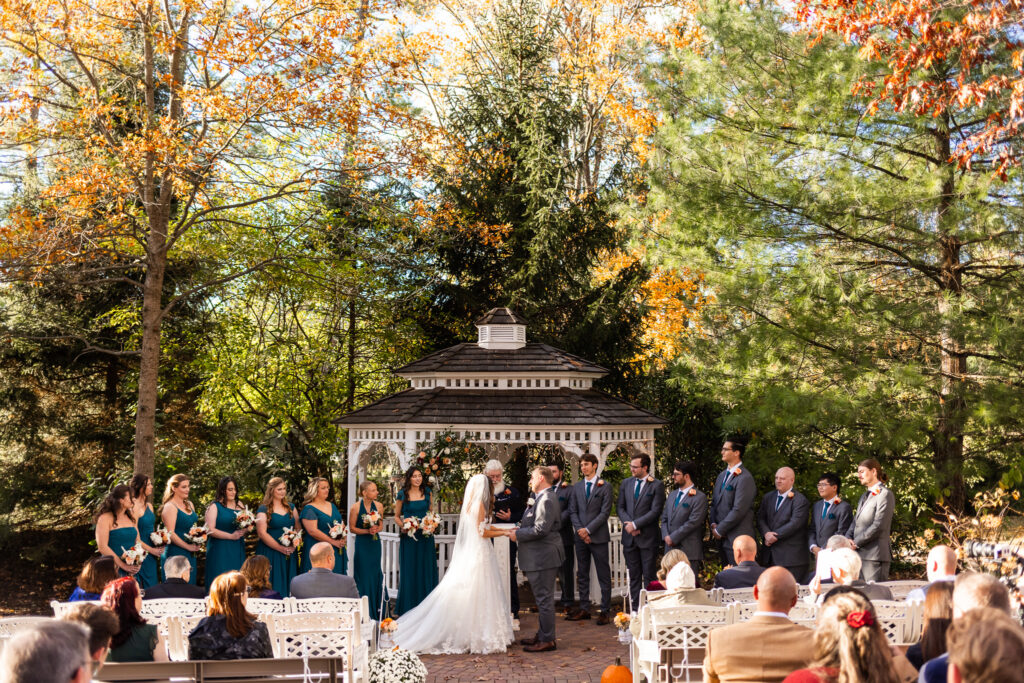
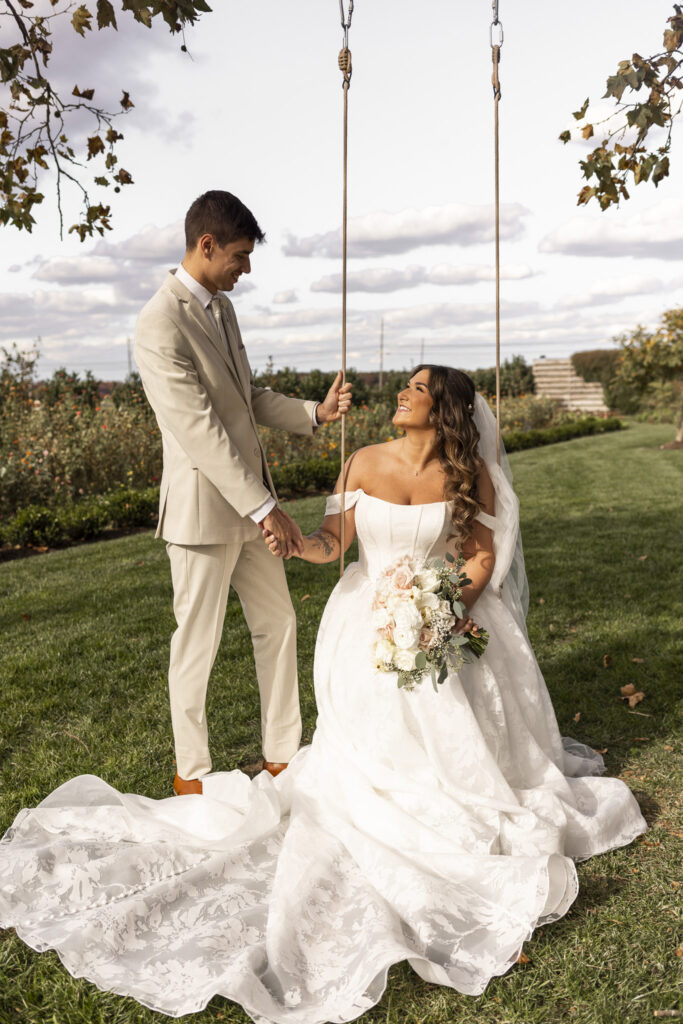
With sunsets creeping earlier, a mid-afternoon ceremony keeps your portraits in daylight and captures those rich autumnal tones.
Winter (2–3 pm)
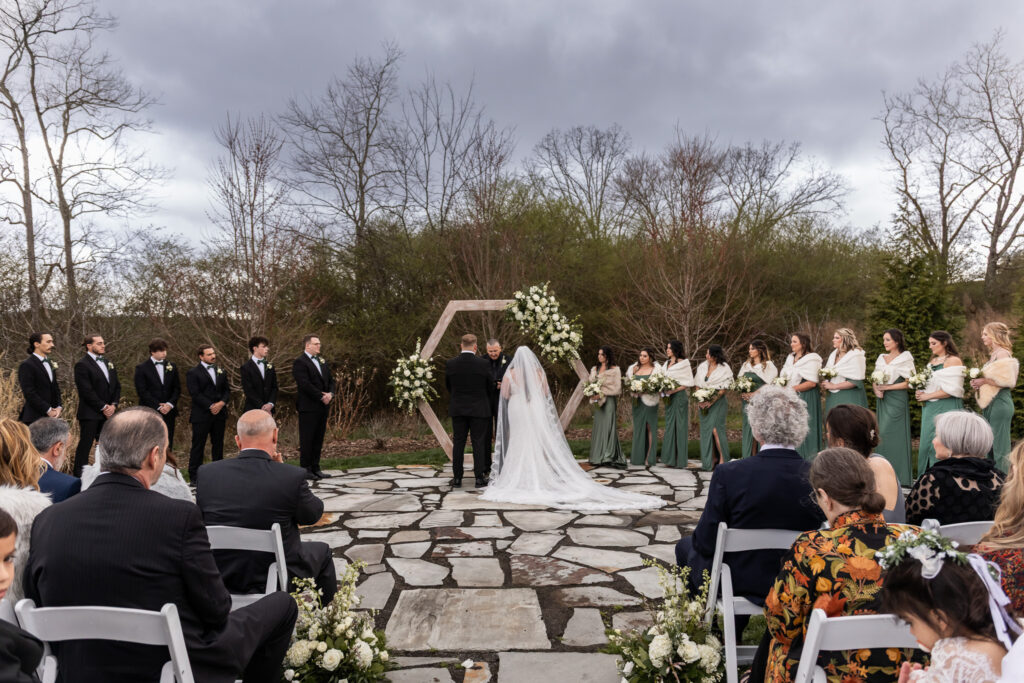
Winter light disappears fast, so earlier ceremonies are essential—especially if you’re not doing a first look.
Golden Hour: The Photographer’s Love Language
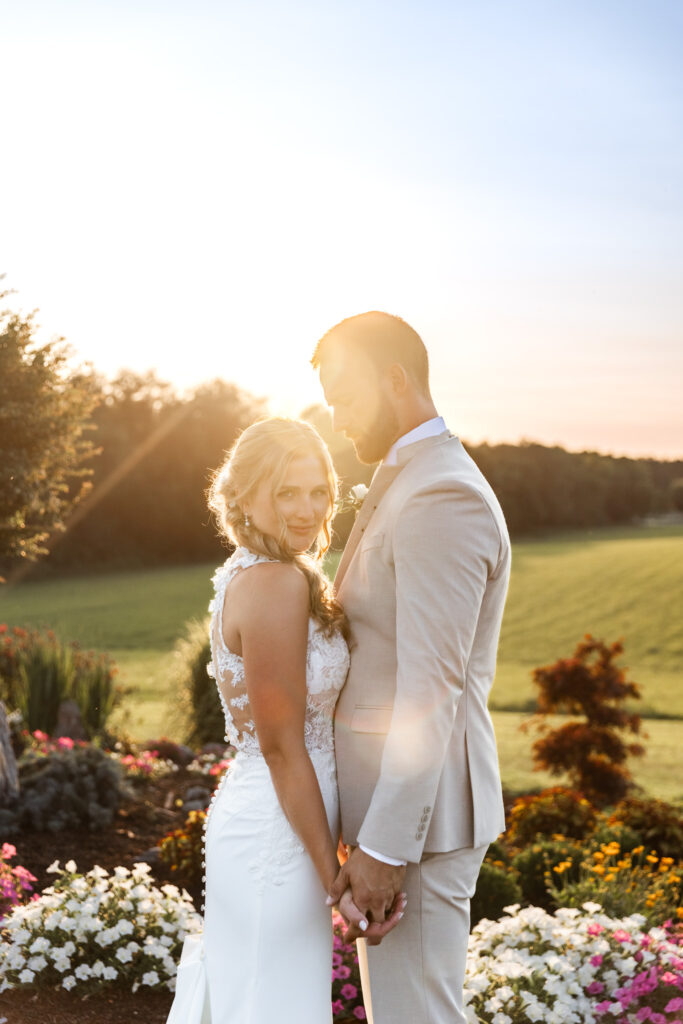
Whether your ceremony is before golden hour or not, build in at least a few minutes for portraits as the sun dips. This light is soft, flattering, warm, and emotional—it’s the moment my couples always fall in love with when they see their gallery.
Even if your timeline is tight, golden hour portraits are worth protecting.
A Few Things Couples Often Forget
After photographing a hundred wedding, here are the little details most couples don’t realize matter. Planning with these realities in mind will save you stress later.
- Even if your ceremony is indoors, these considerations still matter!
- Summer ceremonies are HOT, even in the evening— especially in the afternoon
- Winter ceremonies after 3pm are basically nighttime
- The best time for a wedding ceremony changes drastically by time of year and location—Pennsylvania’s sunset is not Tennessee’s sunset!
Blue Hour (the last little bit of light after sunset) is Amazing Too
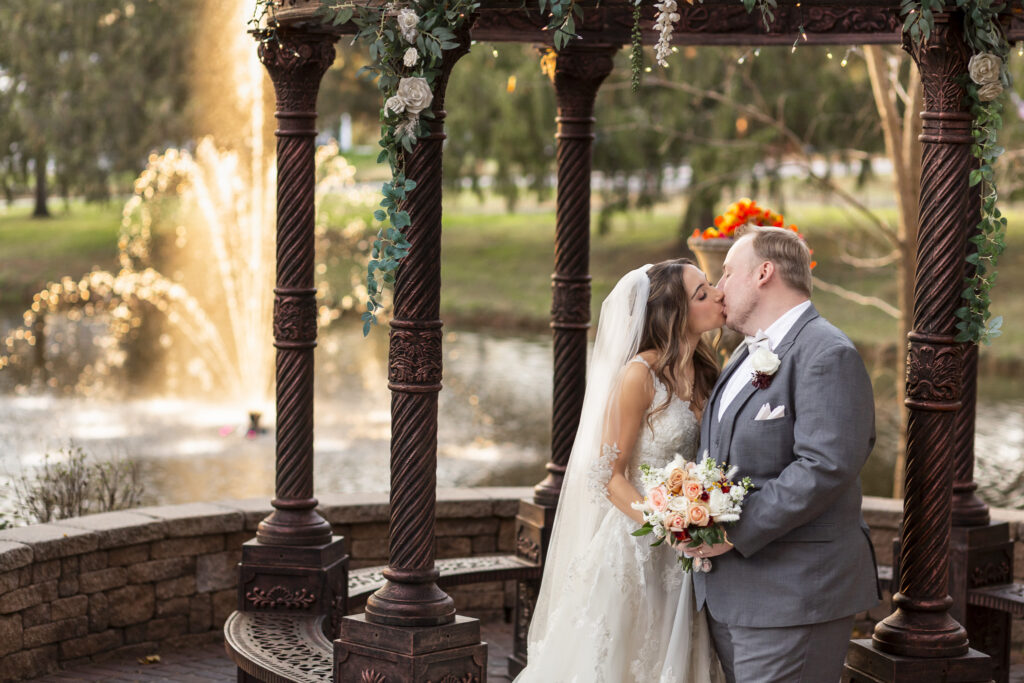
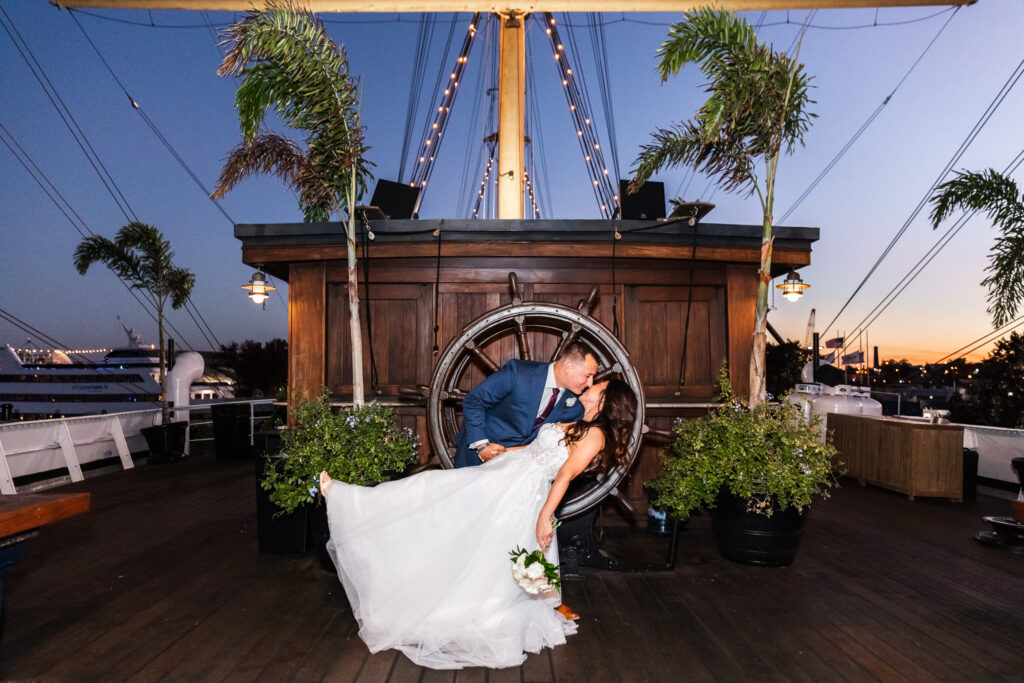
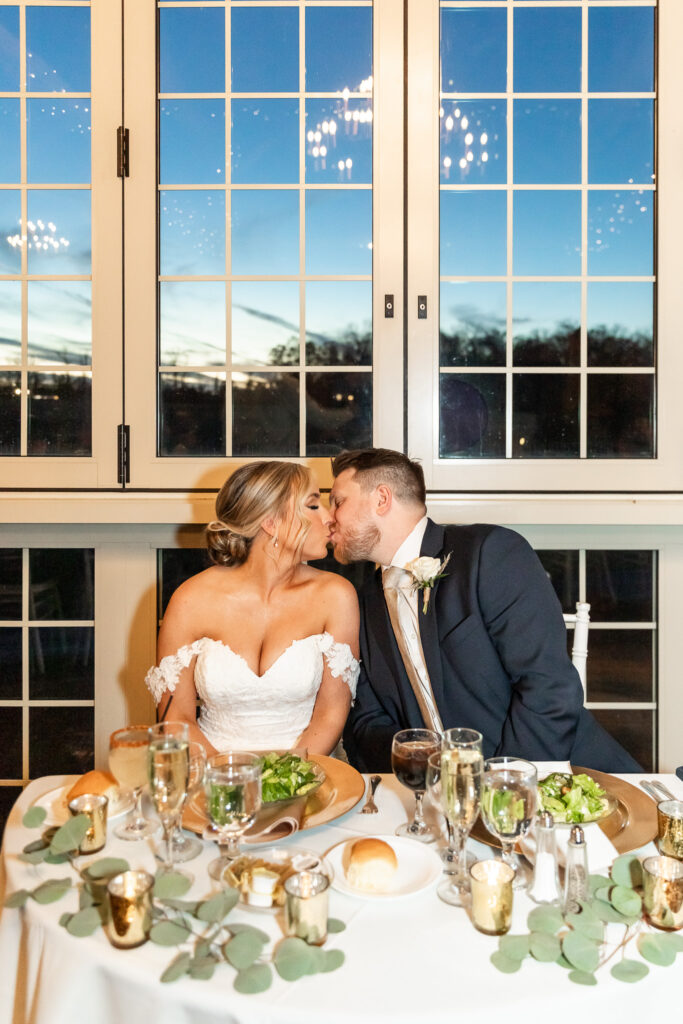
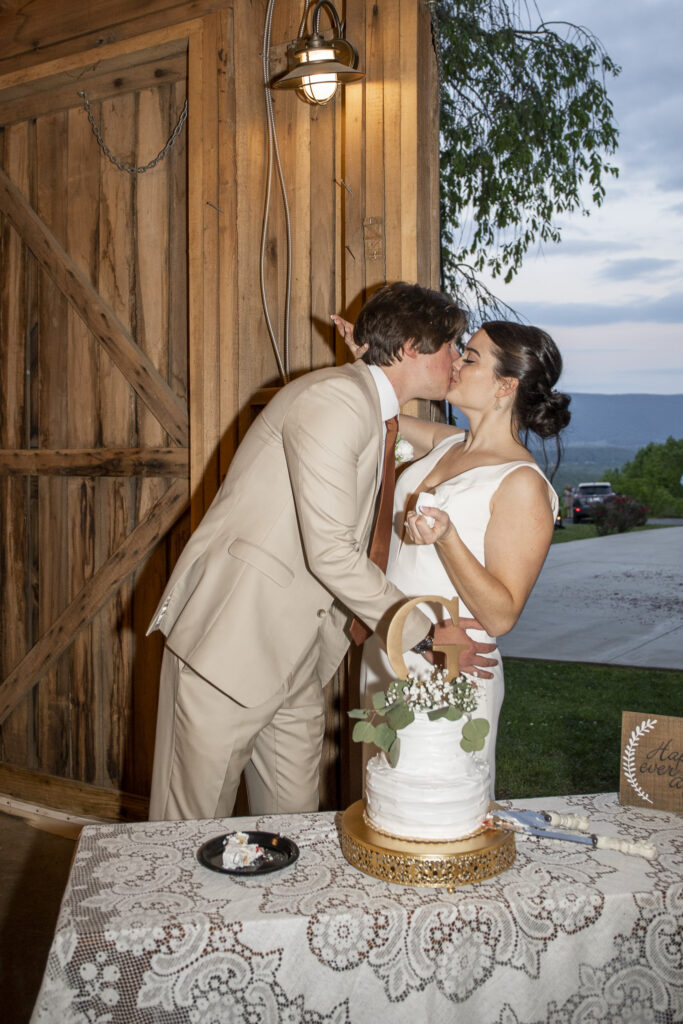
Right after sunset comes blue hour—that dreamy, moody window of soft twilight when the sky turns deep blue and everything feels a little cinematic. Even though it’s darker, blue hour can be one of the most magical parts of your day. It’s perfect for first dances, sweetheart table moments, or the early part of your reception when the lights begin to glow. The colors are rich, the ambiance feels intimate, and your photos take on a romantic, almost storybook quality. It’s a reminder that beautiful light doesn’t end when the sun goes down—sometimes it’s just getting started.
So… What Time Do Weddings Usually Start?
Most weddings begin 2–6 pm, with the exact time depending on season, sunset, and whether you’re doing a first look. But the real answer?
Start your ceremony at the time that gives you beautiful light, a relaxed timeline, and the space to be present and enjoy your day.
And if you’re unsure, don’t worry—I’ll help you nail down the perfect time when we build your wedding-day photography timeline together.
Ready to Build Your Timeline? I’m Here to Help.
If you’re planning your wedding and feeling unsure about timing, lighting, or how it all fits together, let’s talk. I walk every couple through their full photography timeline so the day unfolds smoothly, feels natural, and gives you photos you’ll love forever.
Reach out anytime—I’d love to help you choose the ceremony time that makes your day feel like you.


